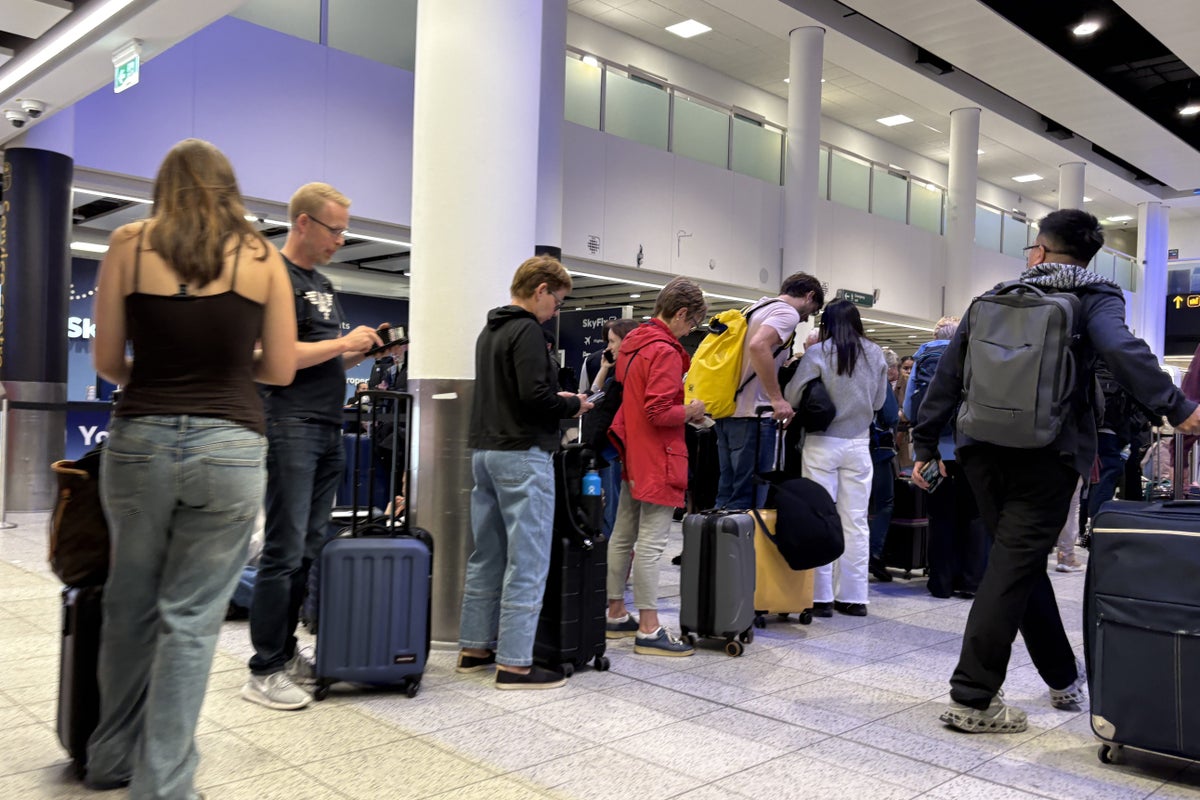
Markets may have bottomed in some regions, but job security and interest rates could trump other factors. While some markets may be tightening, trade wars might rekindle fears about one of the biggest financial decisions for new buyers. Photo by DAN JANISSE/Postmedia.
In a big and diverse country like Canada, with many regional housing markets, buying a house during a trade war adds complexity. Job security is a primary concern for potential buyers. People typically wait until they feel secure in their jobs before purchasing a home, as job losses can make mortgage payments unsustainable.
The trade war between Canada and the United States adds another layer of uncertainty. Shalabh Garg, an investment analyst from Veritas Investment Research Corp., notes that the Greater Toronto Area (GTA) may be nearing the bottom of the housing market, with prices not expected to drop significantly further. However, job losses could change this outlook.
Homeowners with significant financial assets outside real estate may better afford a downturn in home value. The S&P/TSX 300 Composite index has risen about 25% over the past year, providing some financial stability. For those without substantial assets, wage stagnation relative to inflation poses stress.
The average home price in the GTA was $993,410 in August, down 2.7% year-over-year, with inventory tightening. TRREB president Daniel Steinfeld warns that rising prices could force buyers to choose between waiting for economic certainty or purchasing before prices increase. Robert Hogue, assistant chief economist at Bank of Montreal, notes that while unemployment isn’t dire, the trade war has caused initial concern.
Job security remains a key factor in homebuying decisions, as seen in the 1990s recession. Interest rates are another critical factor. Neil Drepaul, a broker at Canadian Mortgage Services, expects higher fixed rates (around 4%) for renewals, with floating rates at 3.5%.
High-ratio mortgages may face stricter underwriting in certain sectors like auto and steel. Phil Soper, CEO of Royal LePage, highlights uncertainty as the main barrier to buying, driven by political tensions. While Alberta’s housing market remains strong, emotional concerns about trade impacts linger.
Ultimately, buying a house should prioritize personal circumstances—avoiding trade war-related stress if job security is uncertain, but acting decisively if family needs necessitate a purchase.
Source: Financial Post